What is Maggot Therapy?
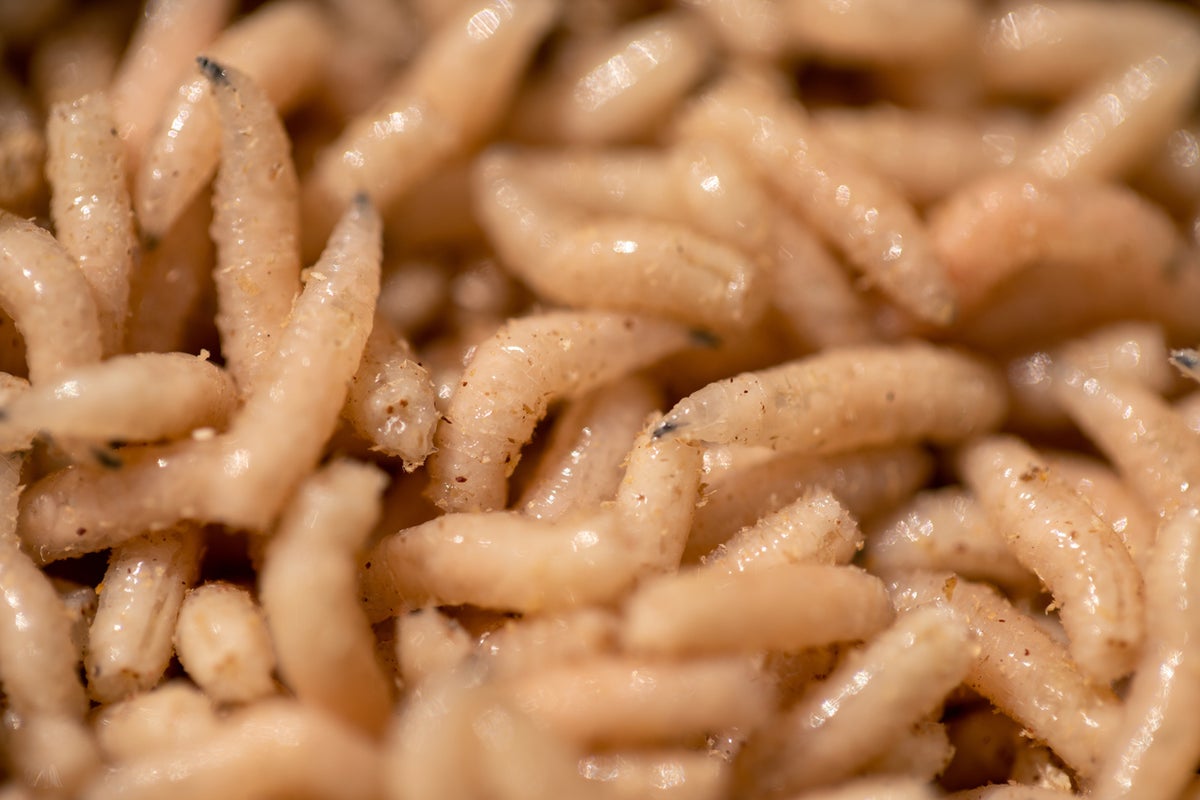
Maggot therapy might sound like a practice ripped straight from the medieval era — but for some doctors and patients, it’s proven to be a life-changing treatment option. This unconventional method involves using specific types of fly larvae to clean wounds by removing dead tissue and bacteria.
Many doctors across the U.S. have relied on maggot therapy — which was approved by the FDA in 2004 — to treat patients’ serious wounds. Dr. Ronald Sherman, a leading expert in the field, explained how the therapy works. He told NBC News that maggots can dissolve “dead infected tissue” in the wounds.
“They do not have teeth. They do not bite pieces from the tissue. They secrete their digestive enzymes which dissolve the dead infected tissue in the wound, and so only that tissue melts away,” he said. “The healthy tissue stays behind.”
The Role of Medical Maggots
Dr. David Armstrong, another wound care expert, refers to maggots as “nature’s microsurgeons” because the therapy is so effective, according to a 2023 article by the Wound Care Education Institute. Still, doctors often don’t turn to maggot therapy unless other treatment plans have failed.
Armstrong told the Wound Care Education Institute that many of his patients “have typically already seen three or four other doctors for their wounds, and many other things have already been tried before in an attempt to heal their wound or wounds.”
Medical maggots start out smaller than a grain of rice, but can grow to a maximum of 12 millimeters throughout the treatment, according to the U.K.’s National Health Service. They also can’t reproduce in the wound.
Benefits and Limitations
The therapy can be especially beneficial for patients who want to avoid surgery. “Surgery tends to be a bit coarse,” Sherman told NBC News. “The scalpel is straight, and the border between healthy tissue and dead tissue is not straight. The surgeon’s vision is limited to a macroscopic level, not a cellular level, not a microscopic level.”
He said patients don’t need anesthesia, “which is the greatest risk for people who are deemed poor surgical candidates.”
While maggot therapy can be an effective treatment for some patients, it also has limitations. Maggot therapy can improve the condition of a wound and kickstart a healing process, but they shouldn’t be considered a “cure for all types of wounds, by removing dead tissue and any associated bacteria,” according to the NHS website.
When Is Maggot Therapy Used?
Maggot therapy is typically used when traditional treatments have not been successful. It is particularly useful for patients with chronic wounds, such as diabetic ulcers or pressure sores. The therapy helps to remove dead tissue, reduce infection, and promote the growth of new, healthy tissue.
Some of the key benefits of maggot therapy include:
- Non-invasive: Unlike surgery, maggot therapy does not require incisions or anesthesia.
- Effective: The larvae are highly effective at cleaning wounds and promoting healing.
- Cost-effective: In some cases, maggot therapy can be more cost-effective than other treatments.
However, there are also some challenges associated with this therapy. Patients may find the idea of using maggots unsettling, and the therapy requires careful monitoring to ensure that the maggots are working effectively and not causing any additional harm.
Conclusion
Maggot therapy is a unique and effective treatment option for certain types of wounds. While it may not be suitable for everyone, it offers a valuable alternative for patients who have exhausted other treatment options. As research continues, it is likely that maggot therapy will become even more widely accepted and utilized in the medical field.