A Growing Concern Over Accessible Parking at Bunnings
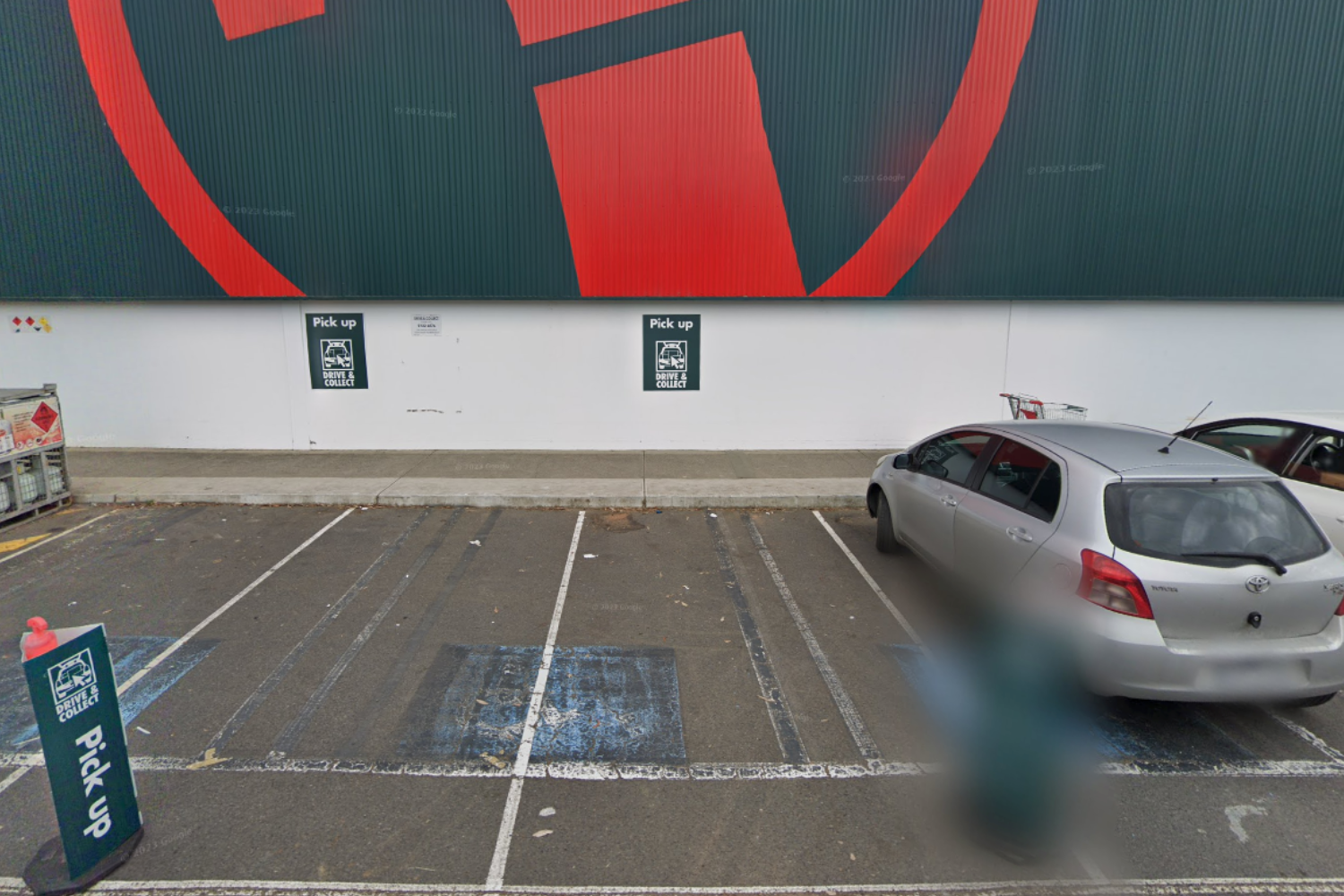
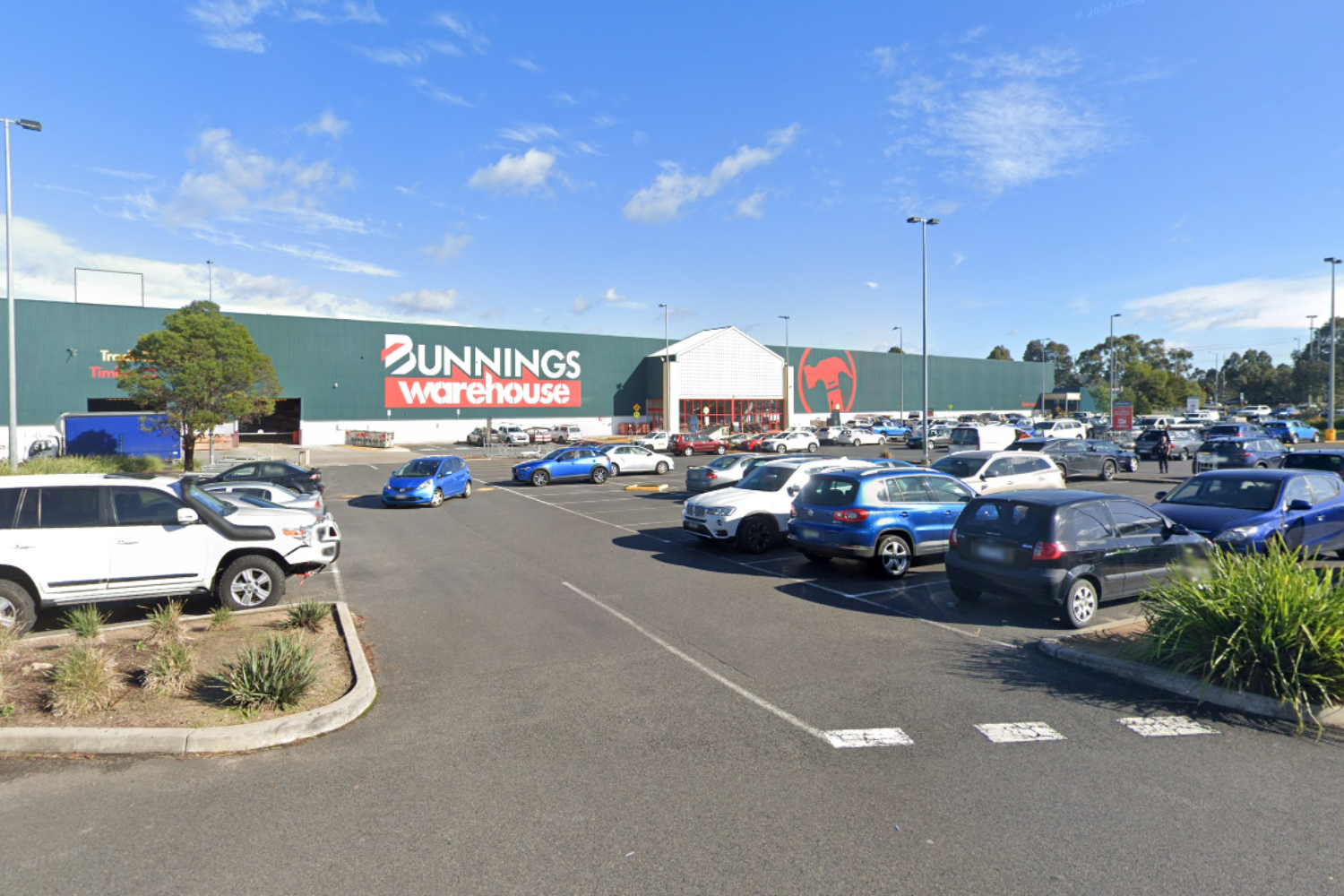
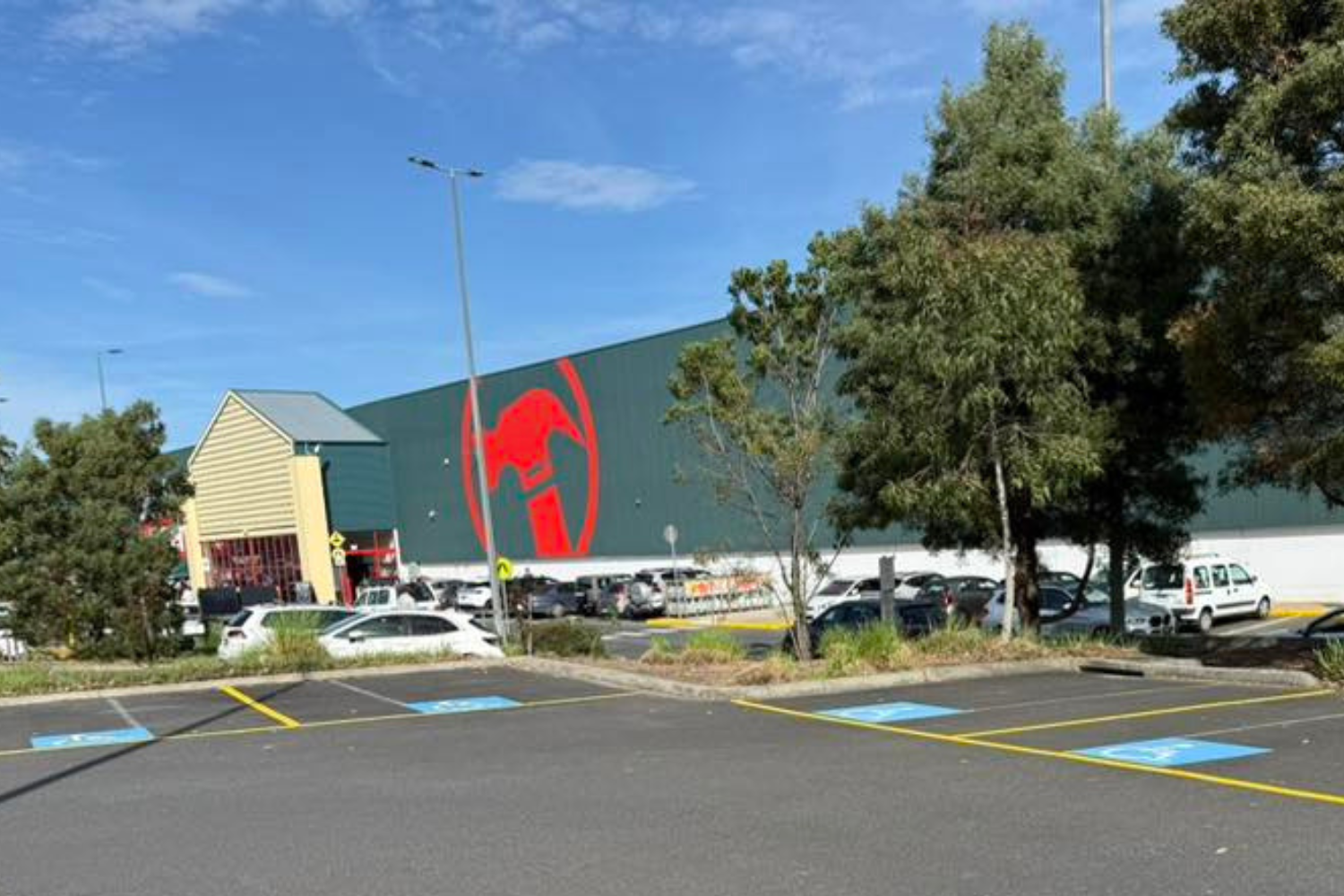
A concerned customer has raised awareness about a significant issue at the Bunnings Croydon store in Melbourne, highlighting problems with the accessible parking spaces. Out of the 13 designated spots for people with disabilities, four were located over 75 metres from the entrance and required navigating a steep ramp.
The customer expressed frustration, stating, “It was clearly a decision made by someone who has never needed to push a chair, or one who cannot breathe after 20 or so steps.” While they do not have a disability themselves, they work in the industry and wanted to emphasize how challenging it can be for individuals with disabilities to access the store.
Typically, less than two per cent of car spaces are allocated for disabled parking, despite the fact that people with disabilities make up 20 per cent of the population—approximately five million people. The current setup means able-bodied customers can park close to the entrance on flat ground, while those with disabilities are forced to park further away, often up a hill.
Australian Standards require accessible parking to be within 50m of an entrance point, or if this is impractical, within 100m with a rest point at the halfway mark. The customer believes this arrangement may be a breach of the disability discrimination act.
Bunnings’ Response and Industry Criticism
Bunnings explained that the Croydon store is situated in a busy shopping precinct off a highway, with high traffic volume. However, Suzanne Gearing, CEO of Physical Disability Australia, described the car park layout as “extremely poor planning.”
Gearing noted that she isn’t surprised by such issues, as she often observes poor accessible parking layouts when driving around. She found the Bunnings Croydon example particularly extreme, highlighting how such designs make people with disabilities feel like an “afterthought or a tick in the box.”
While Bunnings claims the placement of its 13 accessible parking spaces ensures safe entry and exit for customers, Gearing points out that there are several “drive & collect” signs and non-disabled parking spots near the entrance. She suggests moving these spaces from the front and replacing them with larger accessible bays.
“There is no reason why those parking spaces there can’t be made bigger, absolutely none,” she said. “They’re just going to have to paint over the lines and put new ones in. That’s as much as it would take. I’m pretty sure Bunnings has paint.”
Retailers Facing Similar Criticisms
Bunnings is not the only retailer facing scrutiny over accessible parking. Woolworths has also come under fire for similar issues. In 2023, a customer shared photos of a “messed up” car park at a South Australian store, where only three to four of the 14 spaces were for drivers with disabilities, located on the other side of the road.
Woolworths responded by stating it plans to add more accessible parking spaces closer to the entrance. Gearing urges major Australian retailers to take ownership of discriminatory infrastructure and implement inclusive policies across all their stores.
She emphasizes that accessibility policies should outline requirements for wide aisles and proper parking design. “If they actually make that a standard process across all of their stores, and they make a genuine effort to ensure it happens, it becomes a habit. It doesn’t do any harm to their profits, it doesn’t change anything, but it makes it more accessible.”
Historical Context and Regulatory Changes
Yahoo News understands that the Bunnings Croydon car park received council approval in 2009. Yarra Ranges planning director Kath McClusky explained that while the layout met standards at the time, those standards have since been updated to offer clearer guidance on accessible parking proximity.
McClusky added that changes to the design would need to be initiated by the property owner. She noted that the design and layout for accessible parking standards are set by the Australian Standard and Building Act 1993, with no requirement for consultation.