A New Beginning Through Gardening
After the birth of her youngest child, Manu Prigioni found herself in a difficult place. The bushfires that swept through the Blue Mountains during her pregnancy destroyed about 200 homes and damaged many more. It was a time of fear for those living there, and Manu’s natural desire to keep her children safe turned into what she described as “obsessive-compulsive tendencies.” Germs became her enemy, and she cleaned obsessively. Her home was spotless, but she washed her hands frequently and experienced repeated panic attacks.
Knowing she needed help, Manu reached out to a community health service and was connected with a psychologist who had a unique interest in gardening. “That was a fluke,” Manu says. “She happened to be an amazing organic grower, and it was exactly what I needed.”
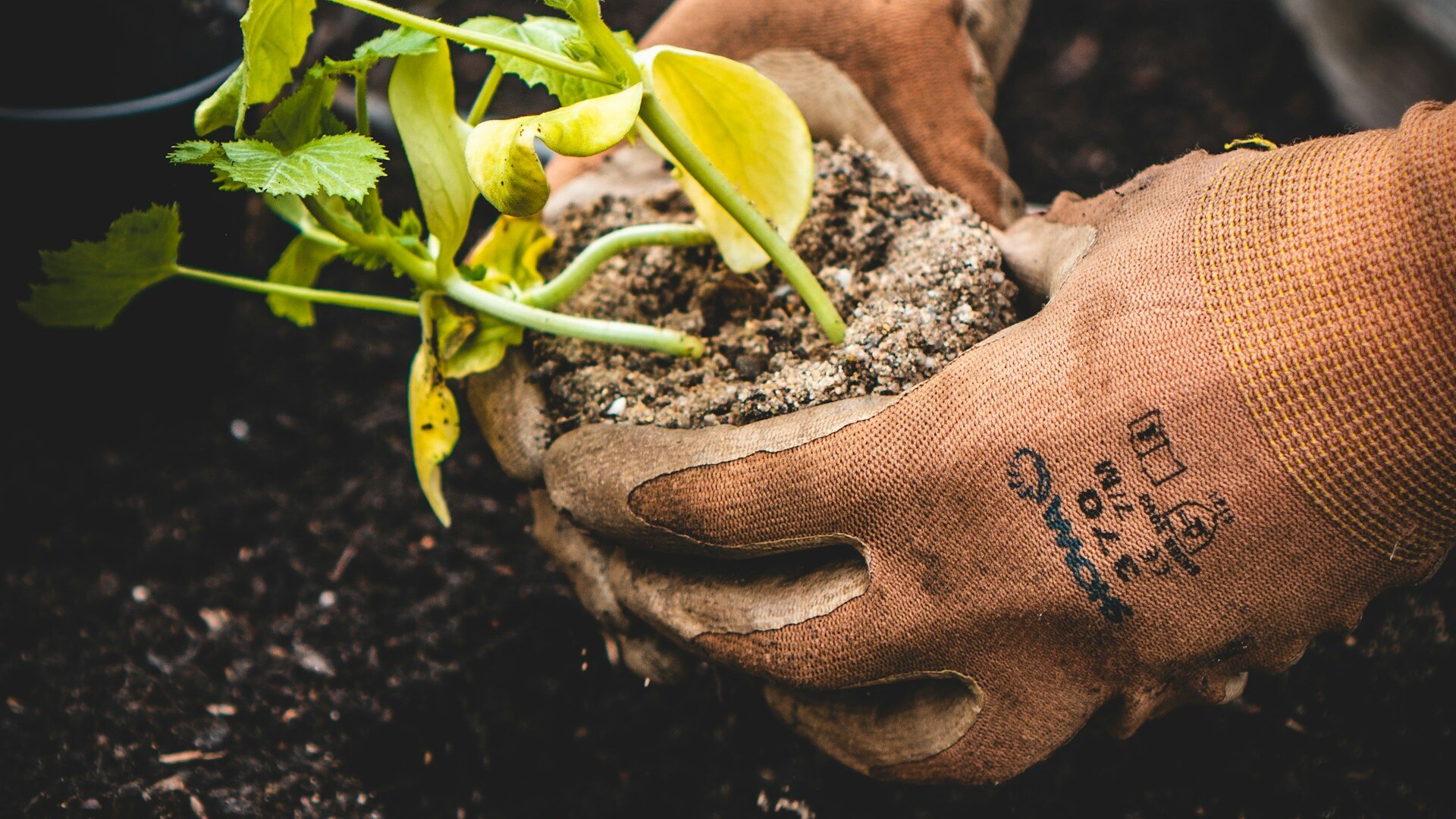
The psychologist suggested exposure therapy, and for Manu, getting her hands into compost and soil—rich in microbes like bacteria and fungi—was part of this process. The treatment was slow and terrifying at first, but over time, it became easier. Eventually, being in the garden helped her reconnect with a part of herself she had forgotten.
Before moving to Australia, Manu grew up in Italy and spent her early childhood outdoors. “From zero to six years old, I lived in a little village, and my grandfather looked after me because my parents were both working,” she explains. Most days, she and her “nonno” (grandfather) would be outside. “We would pick flowers, forage for seasonal things like chestnuts and hazelnuts, then sit together to look at the fields,” she says. She now realizes how much that experience shaped her. “I’d kind of forgotten because for decades I hadn’t lived with a garden.”
The Benefits of Gardening on Mental Health
While experts agree that gardening alone is not a cure for mental illness, a growing body of research shows it is linked to greater mental wellbeing and life satisfaction. A 2023 study found a significant association between longer durations of gardening and improved mental health, based on survey results from nearly 5,000 adults in Brisbane aged 46–80.
Senior researcher Jonathan Kingsley from Swinburne University of Technology’s School of Health Sciences in Naarm/Melbourne notes that participants who gardened for 2.5 hours or more per week saw dramatic increases in mental wellbeing and life satisfaction, especially among those aged 64 or older. Even people who gardened less than that reported better outcomes compared to those who didn’t garden at all.
Dr. Kingsley emphasizes that while the study doesn’t prove gardening causes better mental health, it adds to a large body of research showing a clear link between the two. “Every study you find on this is saying the same things… there are clear mental health, life satisfaction, and wellbeing benefits.”
Canberra-based psychologist Zebunnissa Khan, who lives on Ngambri and Ngunnawal Country, agrees. She says gardening is a mindful activity that encourages presence in the moment and engages multiple senses: touch, sight, smell, sound, and even taste when growing edible plants. “We’re getting out of the house, into nature, with fresh air and vitamin D,” she explains.
For people with depression, engaging in gardening or other hobbies they enjoyed when well can create a sense of safety. “It reminds your brain, ‘Oh, I’m actually safe. I’m not in survival mode. Something bad isn’t about to happen,’” she says. “It’s something I strongly encourage for my clients.”
Gardening can also activate dopamine and serotonin pathways in the brain, which are linked to pleasure, motivation, and wellbeing—our “happy chemicals.”
Building Communities Through Gardening
Dr. Kingsley believes gardening has potential as a public health intervention. “We know it’s important, but we need to make sure everyone gets these health benefits.”
Back in the Blue Mountains, on the land of the Gundungurra and Darug people, Manu is working to ensure more people have access to gardening and its benefits. In 2019, she co-founded Farm It Forward, a charitable youth organisation that runs food gardening programs for young people in disadvantaged areas. “The real crux of it is the connection with other humans,” she says.
Manu is also researching food-growing in high schools as a way of building social connection and wellbeing, as part of a PhD with the University of Technology Sydney. “We need to activate cultures around growing, cooking, and eating together,” she says. “For me, gardening is a vehicle for satisfying fundamental human needs.”
Getting Started with Gardening
If you’re new to gardening and looking for a place to start, Manu’s top suggestion is to go for a walk down your street. “See who grows things, maybe catch some neighbours in their front yards and don’t be shy. Just get chatting,” she advises. “The best people to get you into it are those who are in your area and have been growing there.”
For those without yards or limited space, such as apartment dwellers, Manu suggests starting small. “You can grow a few things in pots, like herbs for cooking, such as parsley. It’s easy to grow,” she says. “But the big thing I still encourage is talking to others who garden in your area. I know it’s scary, but we’ve forgotten that we really need to go and interact.”