Understanding Flavanols and Their Role in a Healthy Diet
A balanced diet is essential for maintaining good health, and it requires the right combination of proteins, fiber, carbohydrates, and other vital nutrients found in food and drinks. Each of these nutrients plays a unique role in supporting the body’s functions, and there are specific amounts that people need to consume to ensure optimal well-being.
One such nutrient that is often overlooked is flavanols. These are natural, plant-based compounds that act as antioxidants and have been linked to numerous health benefits, particularly for heart health. Research has shown that consuming 500 mg of flavanols daily can significantly reduce the risk of dying from cardiovascular disease.
However, a recent study published in the Food and Function journal has revealed that following general dietary guidelines, such as eating five servings of fruits and vegetables a day, may not be sufficient to achieve the recommended levels of flavanols.
The Importance of Specific Food Choices
Dr. Javier Ottaviani, the lead author of the study, highlighted that while flavanols can greatly benefit heart health, the key lies in consuming enough of them. He explained that many people assume that simply eating plenty of fruits and vegetables covers their flavanol needs, but the research shows that the specific choices made matter more than the total quantity consumed.
The study analyzed data from over 30,000 participants across the United Kingdom and the United States. It found that fewer than 25% of those following current recommendations for fruit and vegetable intake consumed at least 500g per day. Additionally, there was little difference in flavanol intake between individuals who ate high or low amounts of fruits and vegetables.
Flavanols: Sources and Benefits
Flavanols are found in a variety of foods, including certain fruits and vegetables, as well as tea and cocoa-derived products. Some of the best sources include:
- Plums (500 g) — 450 mg
- Cranberries (250 g) — 300 mg
- Blackberries (200 g) — 250 mg
- Green tea (250ml, one cup) — 200 mg
- Broad beans/fava beans (80 g) — 140 mg
- Cherries (400g, around 30) — 130 mg
- Apples with skin (one medium apple) — 110 mg
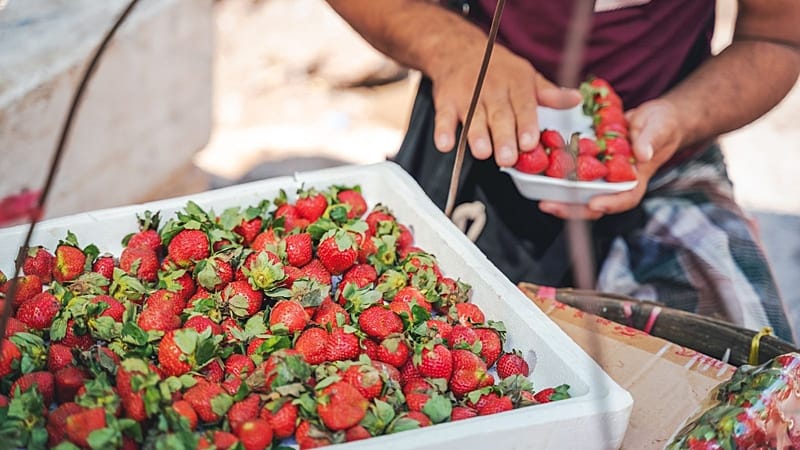
- Strawberries (200 g) — 90 mg
- Blueberries (150g, one punnet) — 80 mg
- Pinto beans (40g, two dry tablespoons) — 70 mg
According to Dr. Ottaviani, incorporating small portions of these foods into meals can make a significant difference in the amount of flavanols consumed and absorbed by the body. For example, adding a handful of blackberries, eating an entire apple, or having a cup of green tea with a meal can boost flavanol intake effectively.
Making Dietary Guidance More Effective
Professor Gunter Kuhnle of the University of Reading emphasized that different fruits and vegetables offer a range of nutritional benefits beyond just vitamins and minerals. As our understanding of these compounds continues to grow, there is an opportunity to refine dietary guidance to be more specific and effective.
By focusing on the types of foods that are rich in flavanols, individuals can better meet their nutritional needs and potentially improve their long-term health outcomes. This shift in focus could help bridge the gap between general dietary recommendations and the specific nutrients required for optimal well-being.