Kylian Mbappe’s World Cup Impact
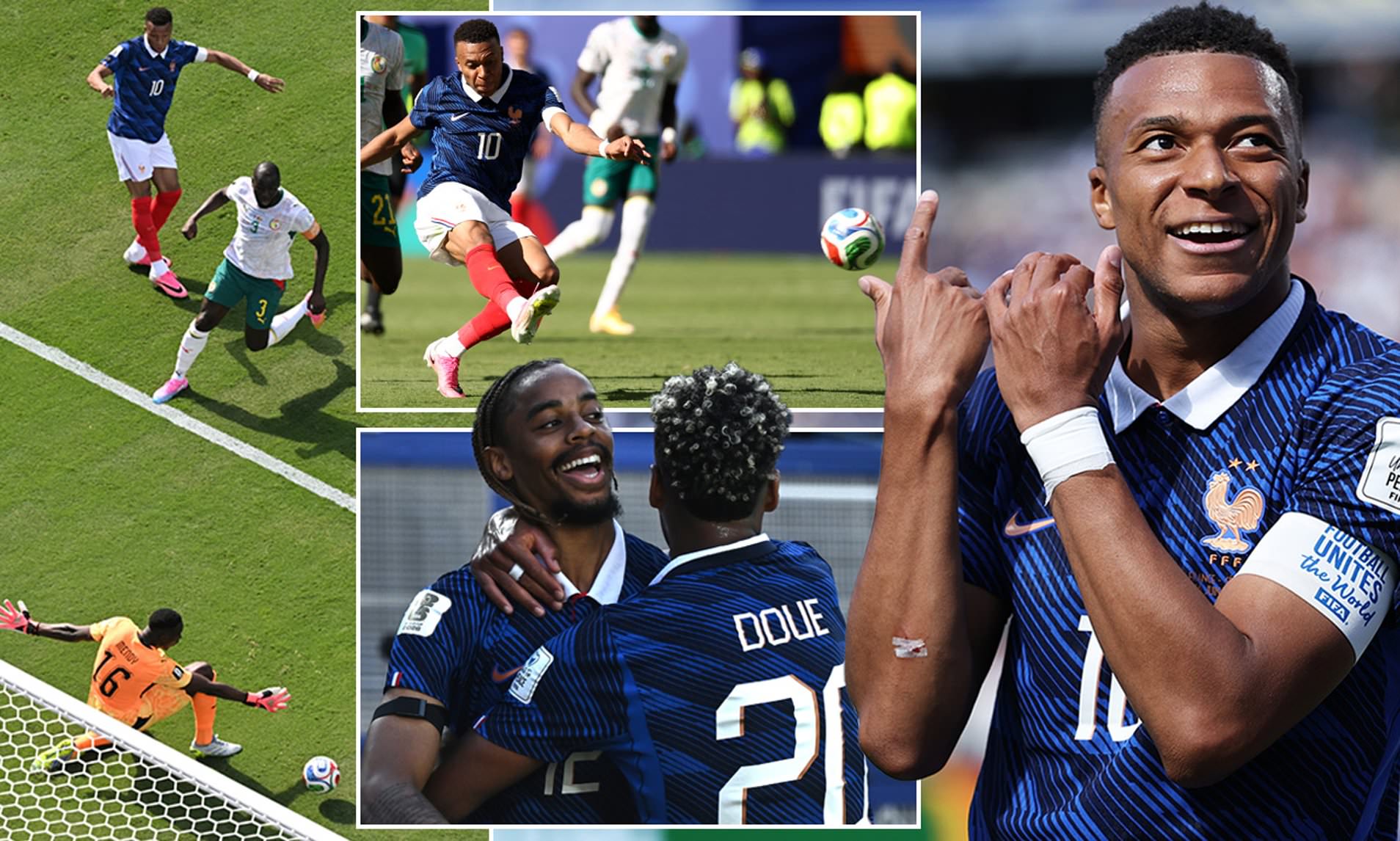
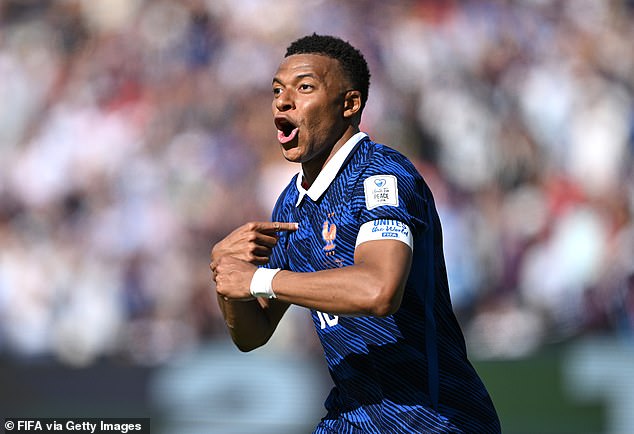
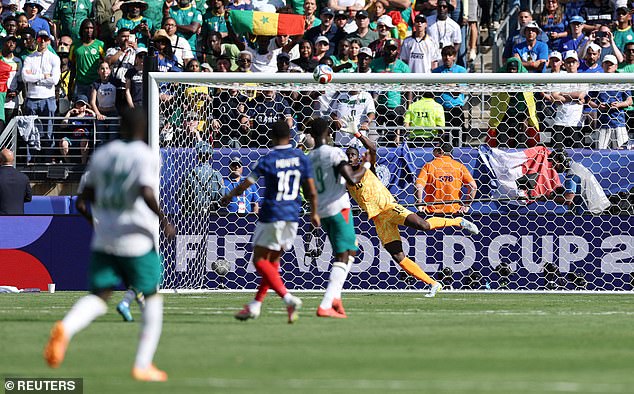
In a match that had its fair share of challenges, Kylian Mbappe once again proved why he is one of the most influential players in international football. Despite a slow start, where he struggled to find his rhythm, Mbappe ultimately changed the course of the game with two crucial goals. His first goal came in the 65th minute, giving France a 1-0 lead. Then, in stoppage time, he scored a stunning 30-yard strike that dipped over Edouard Mendy and broke a record.
Before this match, Olivier Giroud held the record for the most goals for France with 57. By the end of the game, Mbappe had surpassed him with 58 goals. More impressively, he now has 14 goals at the World Cup, surpassing both Pelé and Lionel Messi. With two more goals, he could tie Miroslav Klose at the top of the all-time World Cup scorers list.
Tactical Adjustments by Didier Deschamps
Deschamps faced a significant challenge in selecting his attacking lineup for the tournament, as he had to choose between nine potential attackers for just four spots. For the opening match, he opted for Mbappe, Ousmane Dembele, Michael Olise, and Desire Doue. While these are undeniably star names, the dynamics of the team were not immediately clear.
The initial formation saw some misplacements, particularly with Doue on the left wing, which is not his strongest position, and Dembele positioned behind Mbappe. This setup led to a lack of synergy between the two players, resulting in missed opportunities and poor passing.
The Role of Bradley Barcola
A key change by Deschamps was the introduction of Bradley Barcola in place of Dembele. Barcola’s performance was impressive, scoring a fine goal and showing greater comfort in his natural position on the left wing. This move provided more stability to the team and highlighted the need for better positioning in the attack.
Doue’s role, however, remains uncertain. Although he was effective on the ball, he often drifted inward, relying on Theo Hernandez to cover from the left back. This created gaps that Ismaila Sarr exploited effectively, suggesting that Norway and other teams may take note of this strategy.
Defensive Challenges
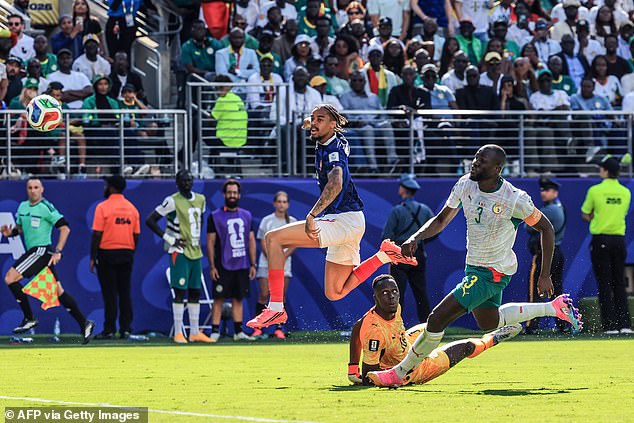
While France’s attack was dominant, their defense also faced its share of issues. Senegal, despite having an older squad, created several chances. Nicolas Jackson hit the post, and Ismaila Sarr had a great opportunity in stoppage time. William Saliba’s return from injury was a positive sign, but he did not look fully fit, raising concerns about his ability to handle the pressure of the tournament.
Controversial Penalty Decision
One of the most debated moments of the match was the decision not to award a penalty to France. Mbappe appeared to be fouled by Sadio Mane inside the box, but the referee, Alireza Faghani, gave a corner. After a VAR review, the decision was upheld, citing that Mbappe had initiated contact.
Alan Shearer, a former England striker, criticized the decision, calling it “bizarre.” He argued that Mane’s lunge clearly caught Mbappe, making the call difficult to justify. Darren Cann, a former assistant referee, also expressed his disbelief, stating that the decision was a clear penalty.
Looking Ahead
Despite these challenges, Deschamps can take solace in having one of the most formidable attackers in the world. Mbappe’s ability to change the game is unmatched, and his presence gives France a significant advantage. However, improvements are needed in midfield, where Adrien Rabiot continues to struggle with his positioning.
As France moves forward in the tournament, they will need to address these tactical issues while capitalizing on the brilliance of their star players. With Mbappe leading the charge, there is every reason to believe that France will continue to dominate in the World Cup.