Unconventional Tactics in the AFL
Australian Football League (AFL) clubs are known for going to great lengths to gain a competitive edge. From overseas training trips to unique motivational techniques, the league has seen its fair share of unconventional methods. Some of these tactics have been controversial, while others have become part of the sport’s rich history. Here’s a look at some of the most unusual and memorable strategies used by AFL teams over the years.
Altitude Training with Collingwood
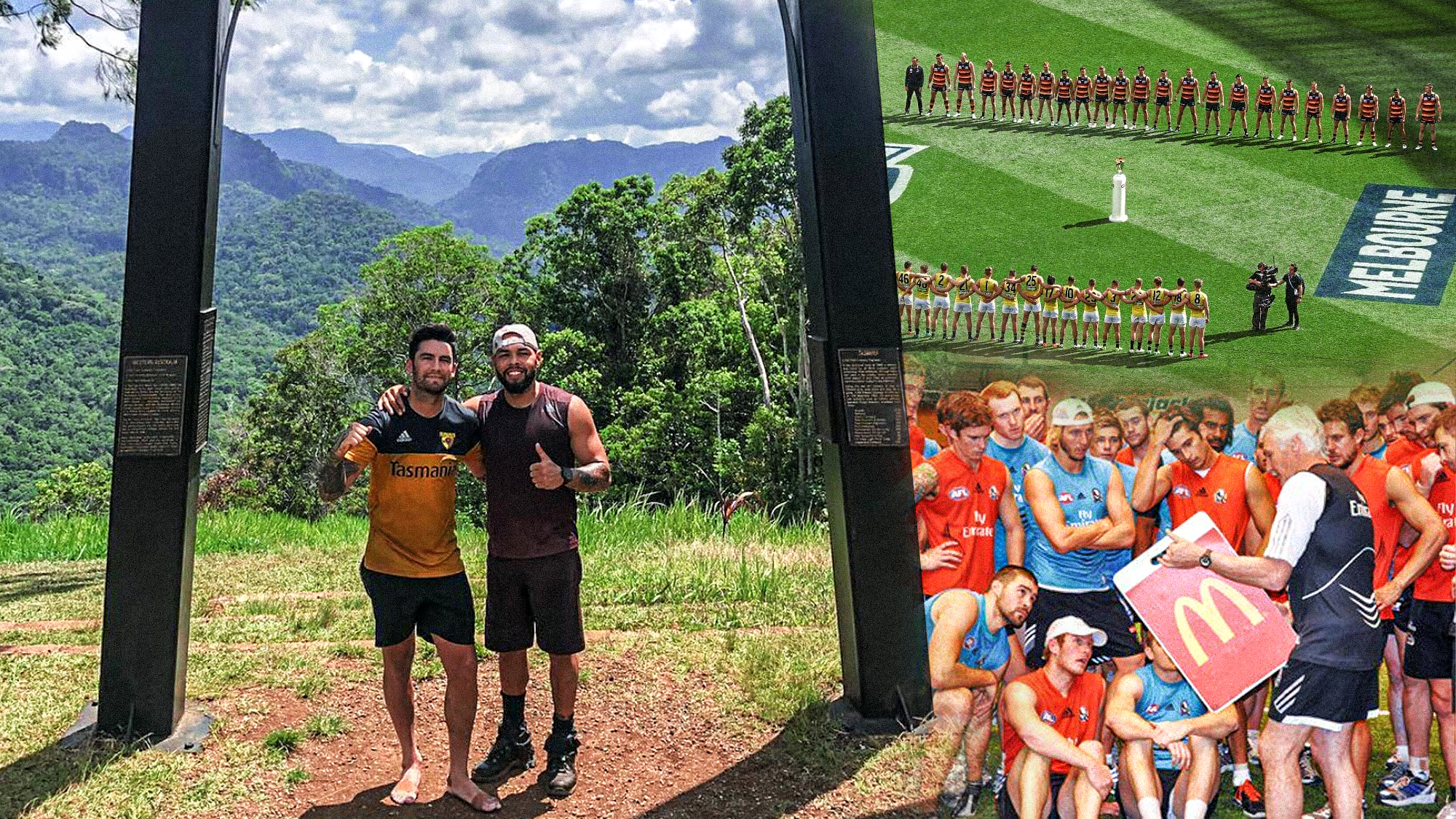
One of the most notable examples of an unconventional training method comes from Collingwood. During the tenure of coach Michael Malthouse, the Pies embarked on pre-season training camps in high-altitude locations such as Arizona and Boulder, Colorado. The goal was to improve players’ aerobic capacity by training at higher elevations, which increases red blood cell production and enhances oxygen delivery to the body.
These altitude training sessions were not just about physical preparation but also served as bonding experiences for the team. The strategy paid off, as Collingwood won the 2010 premiership. While this trend has since faded, it remains one of the more innovative approaches taken by an AFL club.
Hawthorn’s Kokoda Trek
Hawthorn took a different approach when it came to team-building. In 2004 and 2018, the Hawks undertook the challenging Kokoda Track in Papua New Guinea. This multi-day trek is known for its difficulty and is often considered a test of endurance and mental strength.
Players like Lance ‘Buddy’ Franklin, Jarryd Roughead, and Jordan Lewis participated in the journey, which was designed to foster teamwork, comradery, and a deeper appreciation for the country’s history. The experience was so impactful that it became a rite of passage for new players joining the club. Coach Alastair Clarkson emphasized the importance of education and unity through the trip, making it a key part of the team’s culture.
No Sleeves Policy by Alastair Clarkson
Alastair Clarkson, the former Hawthorn coach, had a strict no-sleeves policy for his players. This rule was famously put to the test during a particularly cold match in Canberra in 2019. With temperatures dropping below zero, Clarkson removed his own shirt and ran laps before the game. His actions inspired the team, and they went on to win comfortably.
This moment highlighted Clarkson’s belief in leading by example and creating a strong team spirit. It also became a memorable moment in AFL history, showcasing how a coach’s personality can influence the entire team.
Adelaide’s Power Stance
In 2017, Adelaide Crows used a power stance during their finals matches as a way to intimidate opponents. However, this tactic backfired when they lost the grand final to Richmond. Former player Josh Jenkins claimed that the idea was influenced by a group called Collective Minds, who convinced the club it would give them an advantage.
While the power stance didn’t negatively impact the team’s performance in earlier finals, Jenkins admitted it was a “bit of foolishness” and a naive move. Despite the setback, the Crows remained a strong contender in the league.
Nigel Smart’s Fire Walk
Adelaide’s Nigel Smart was known for his determination and willingness to push boundaries. In 1992, he walked over hot coals as part of a pre-season motivational session. This act earned him the nickname ‘Notso’ after the event caused burns on his feet.
The incident led to the immediate cancellation of the fire walk by Adelaide president Bob Hammond, who deemed it too dangerous. While it was a bold move, it highlighted the lengths some players would go to for their team.
Adelaide’s Controversial Training Camp
After losing the 2017 grand final, Adelaide underwent a grueling pre-season camp in Queensland. The camp was intended to test the mental toughness of the players, but it quickly spiraled into controversy. Former player Josh Jenkins described the environment as harsh, with players subjected to abuse and personal information being shared against them.
The use of an Aboriginal digging stick as a talking stick was seen as culturally insensitive, especially towards Indigenous players like Eddie Betts. The camp left lasting scars on the team, contributing to a decline in performance and several key departures from the club.
The Tragic Plane Jump
One of the most bizarre and tragic incidents in AFL history involved the Bulldogs. In 1990, coach Terry Wheeler encouraged players to jump from a plane into Port Phillip Bay as part of a pre-season challenge. However, the event turned deadly when a participant died during the training session.
Former player Mark Hunter recounted the incident, describing the horror of witnessing the accident. The event was eventually abandoned, and the idea of using extreme measures to build team spirit was largely discarded.
These stories highlight the diverse and sometimes unpredictable nature of AFL coaching and team-building strategies. While some methods have proven effective, others have raised questions about the limits of what is acceptable in the pursuit of success.