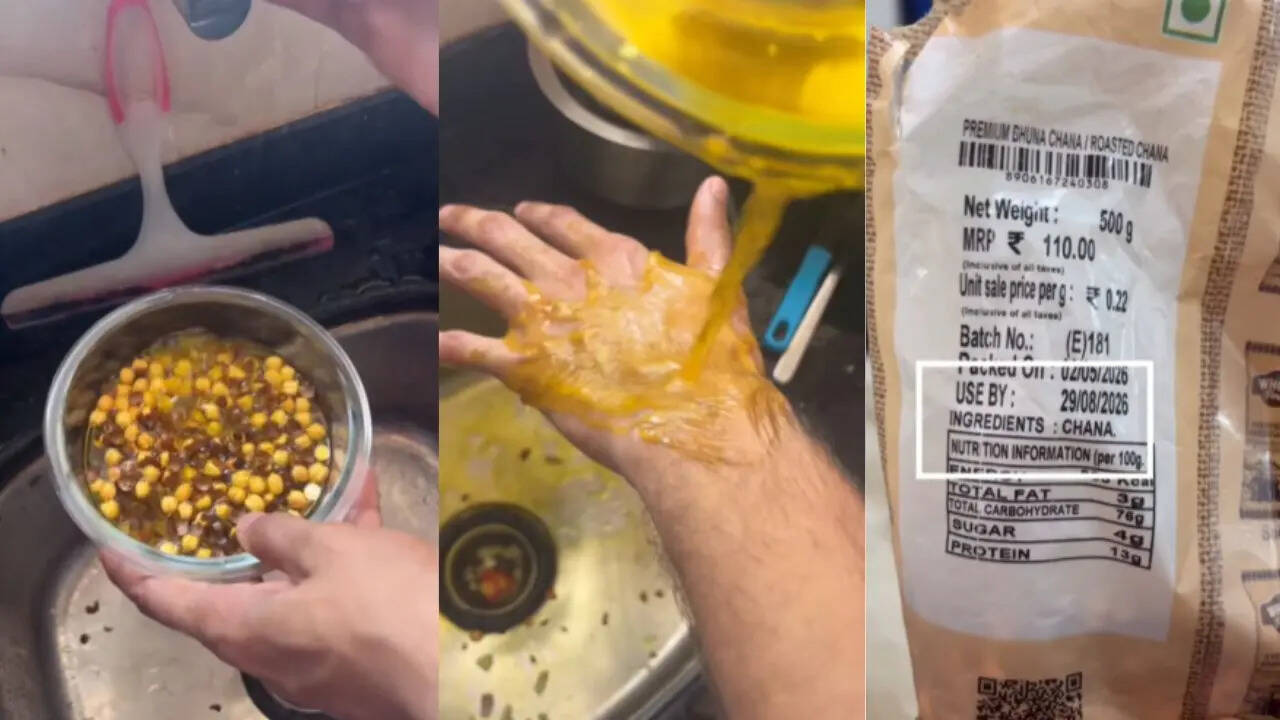
A video that has gone viral on social media shows yellow-coloured water being washed off packaged chana, raising alarm about food adulteration and the potential dangers of artificial food dyes. The clip, which quickly spread across online platforms, has reignited public fears regarding the use of harmful colouring agents in everyday foods to enhance their appearance and freshness.
Experts explain that while washing food may remove some surface residue, it might not fully eliminate harmful dyes that have already been absorbed into the product. Medical professionals warn that certain artificial or unapproved food colours can pose health risks if consumed regularly over extended periods.
Why are food colours added to chana?
Food safety experts suggest that some sellers may use colouring agents to make pulses, spices, snacks, or packaged foods look fresher, brighter, or more appealing. In the case of chana or pulses, yellow dyes might be used to enhance colour, create a “fresh” look, and mask low-quality or old stock.
Although approved food-grade colours exist, experts caution that illegal industrial dyes or non-food-grade chemicals are sometimes misused due to their lower cost and stronger intensity.
Can washing remove harmful food dyes?
Health specialists advise that washing may not always completely remove artificial colouring agents. Some dyes can penetrate deep into the food’s surface, chemically bind to the product, and leave behind residues even after rinsing.
While washing may reduce superficial colouring, it cannot guarantee the removal of harmful chemicals if the dyes have been absorbed into the food. Experts suggest that repeated washing might help reduce surface contamination, but it is not a foolproof solution if internal adulteration has occurred.
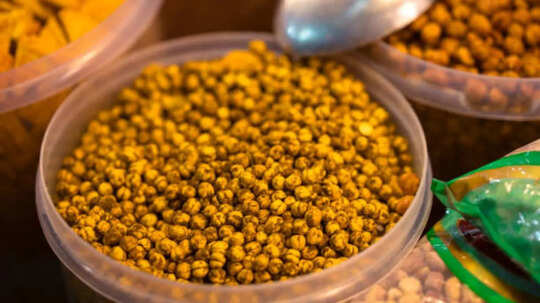
Possible health risks linked to harmful food colours
Health experts warn that excessive exposure to non-permitted or contaminated food dyes could have long-term health effects. Potential risks associated with certain harmful food colours include stomach irritation, allergic reactions, nausea, hyperactivity in children, liver stress, kidney strain, and concerns about long-term toxicity. Some industrial dyes are not approved for human consumption and may contain heavy metals or toxic compounds.
Medical professionals note that occasional exposure may not always cause immediate symptoms, but regular intake of adulterated foods could lead to health problems over time.
How to identify suspiciously coloured foods
Food safety experts recommend that consumers remain vigilant if foods appear unnaturally bright, excessively glossy, too uniformly coloured, or stain hands or water heavily during washing. In some cases, excessive colour release while soaking or rinsing may indicate adulteration.
However, it is important not to assume that every colour change confirms contamination, as some natural pigments may also dissolve in water.
How to reduce food adulteration risks?
Doctors and food safety specialists offer the following recommendations:
- Purchase pulses and grains from trusted brands
- Avoid foods that look unusually bright
- Wash pulses thoroughly before cooking
- Store food properly
- Check packaging labels carefully
- Look for FSSAI-approved products
Consumers are also encouraged to report any suspicious food products to food safety authorities if they suspect adulteration.
Food safety concerns growing online
The viral chana video highlights increasing public concern about food adulteration in India, especially as social media continues to reveal questionable food handling practices. Experts emphasize that awareness is crucial, but panic should be avoided until scientific testing and verification by food safety authorities are conducted. Medical professionals stress that maintaining a balanced diet, sourcing food safely, and making informed consumer choices are the best ways to minimize potential health risks linked to contaminated or adulterated foods.