The Space Race for In-Flight Wi-Fi
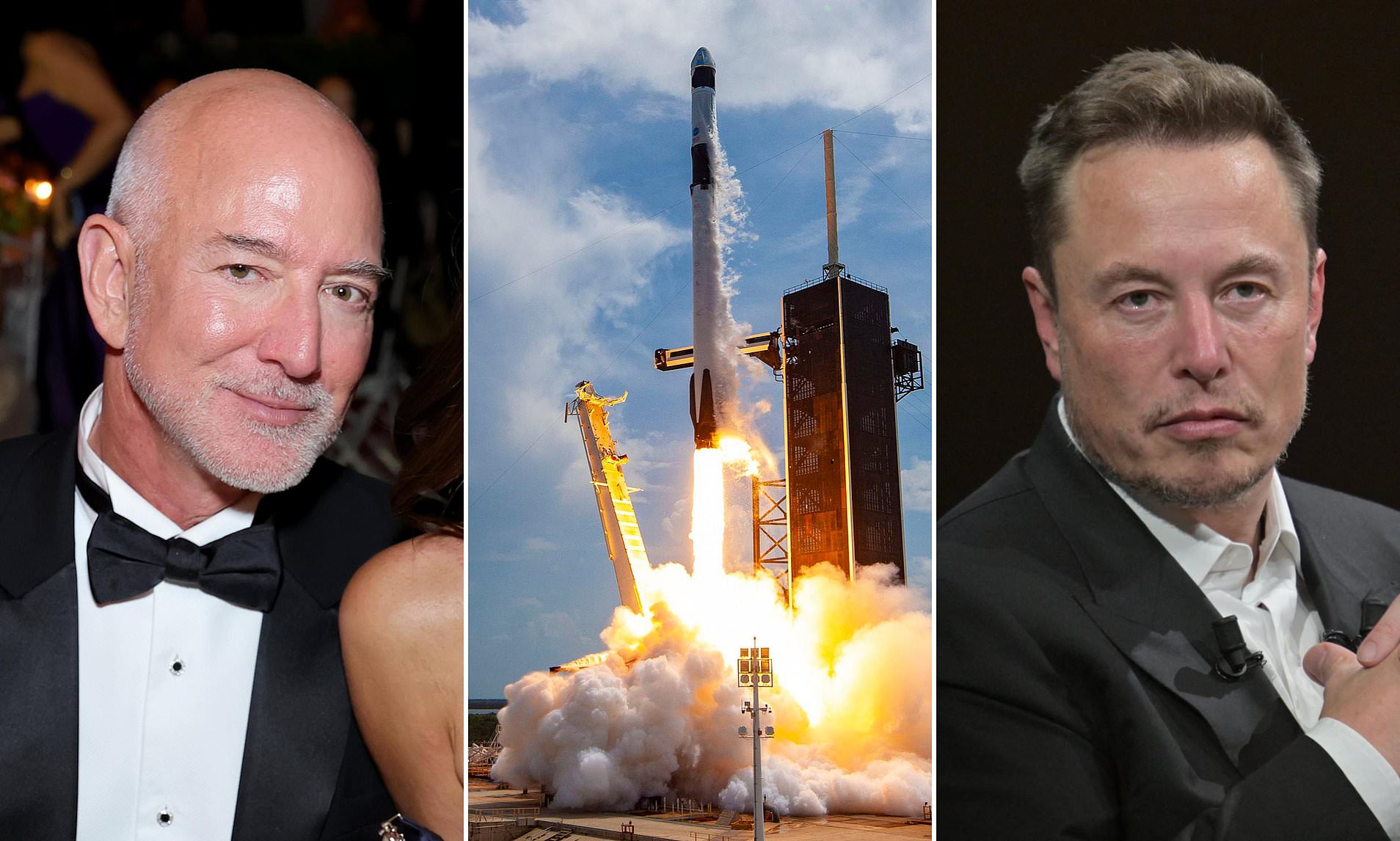
Billionaire tech titans Elon Musk and Jeff Bezos are locked in a high-stakes competition to revolutionize in-flight connectivity. With the demand for high-speed Wi-Fi on commercial flights growing, both Starlink and Amazon Leo have emerged as key players in this evolving landscape.
In recent years, in-flight connectivity has become a crucial factor for airlines aiming to attract premium customers. Starlink, which operates around two-thirds of all satellites in space, is the major driver of revenue for SpaceX. The service has already signed up 11 new airline customers for in-flight Wi-Fi provision this year. This number compares to 22 new airline customers in 2025 and eight in 2024, according to Valour Consultancy, an aviation intelligence firm.
On the other hand, Amazon is still building its Leo satellite constellation but has made significant progress by securing deals with Delta Air Lines and JetBlue Airways as its first customers. However, the company faced a setback after a spectacular Blue Origin rocket failure last month.
Cost and Commitment
Installing satellite broadband on airliners represents a major cost for airlines, running into the hundreds of millions of dollars for large fleets. Despite these costs, carriers increasingly rely on premium products like in-flight Wi-Fi to boost their margins. Decius Valmorbida, president of travel at Amadeus, calls the technology a ‘game changer.’
“It’s going to become a necessity that every airline will rush to have its own version of. It is becoming a must-have,” said Valmorbida.

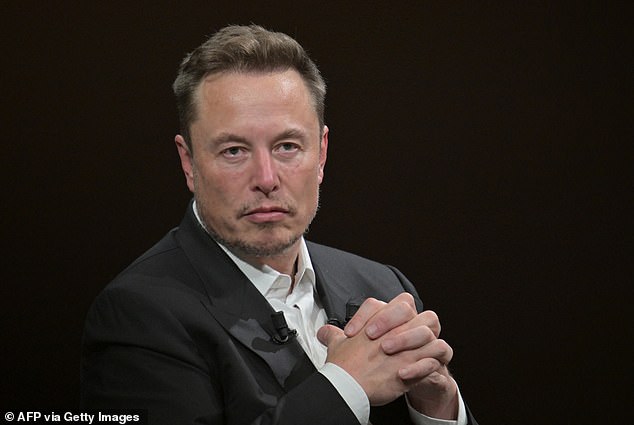
Starlink uses thousands of low-Earth-orbit satellites rather than larger, slower geostationary satellites, making it much faster than legacy systems, according to Ookla, a broadband analytics firm. Southwest Airlines chose Starlink for its ‘speed to market’ but has not ruled out Amazon’s Leo as it pushes for industry-leading Wi-Fi.
“There’s multiple ways to get there,” said Tony Roach, Southwest’s chief customer and brand officer. American Airlines announced plans to equip more than 500 narrowbody aircraft with Starlink starting in early 2027.
However, not everyone is convinced. Ryanair CEO Michael O’Leary has ruled out adopting Starlink, citing costs and fuel burn from the antennas, prompting a fiery dispute with Musk. Jefferies analysts estimate American Airlines’ Starlink rollout could cost $150 million to $250 million for equipment and installation, based on its fleet, before annual service fees that could exceed $60 million.
Competition and Market Position
Lluc Palerm, research director at Analysys Mason, said airline Wi-Fi will become a battleground between Starlink and Amazon Leo, though Amazon remains limited as its satellite constellation is in its infancy. SpaceX now holds Starlink contracts covering more than 7,000 aircraft, cementing an ‘undeniable’ lead, said Daniel Welch, a senior consultant at Valour Consultancy.
Palerm noted that Starlink’s early gains are meaningful because switching providers is costly: aircraft must be taken out of service for installations, onboard equipment is provider-specific, and contracts typically run for years.
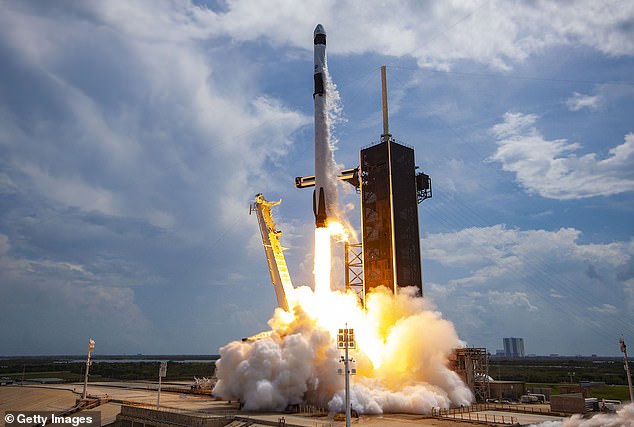

The airline sales come as SpaceX’s upcoming record-breaking public listing has sharpened investor focus on Starlink’s expansion beyond consumer broadband. Starlink generated $11.4 billion of SpaceX’s $18.67 billion revenue in 2025, according to SpaceX’s IPO filing, making it by far the company’s largest revenue source.
Starlink is emphasizing speed and installation simplicity, while Amazon is pitching a broader technology ecosystem, including cloud computing, entertainment, and retail links that it says can help airlines serve passengers beyond basic connectivity. Delta’s choice of Amazon Leo illustrates that distinction. The carrier selected Amazon Leo for an initial 500 aircraft beginning in 2028, building on its Amazon Web Services relationship.
Legacy in-flight Wi-Fi providers including Viasat, Intelsat, Panasonic Avionics, and Hughes remain embedded across large fleets.