A Legacy of Bravery and Innovation
Professor Richard Scolyer, a world-renowned pathologist and skin cancer researcher, passed away in Sydney on Sunday at the age of 59. His death marked the end of a life dedicated to advancing medical science and helping others. The news of his terminal diagnosis in March last year sparked an outpouring of emotion across Australia, as people admired his courage and openness about his illness.
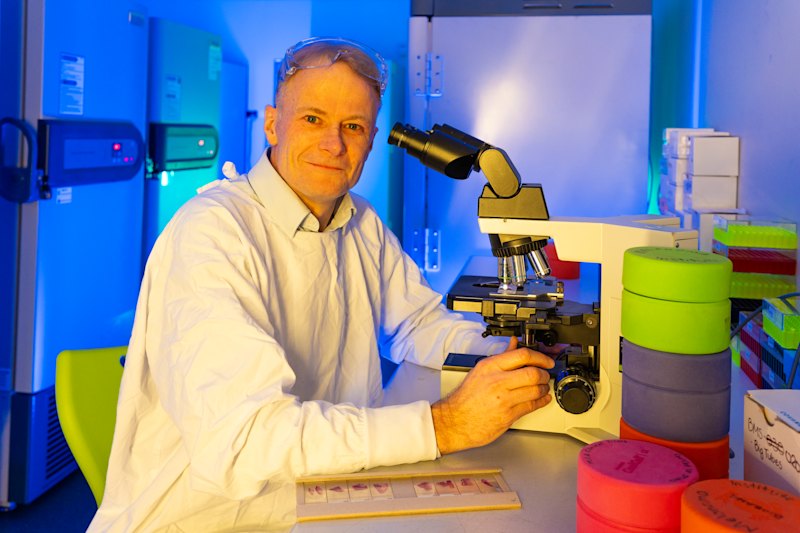
Scolyer was known for his humble and open approach to discussing his cancer and the experimental treatment he underwent. As a joint Australian of the Year for 2024, he became a beloved figure in the country. His story was covered in numerous media outlets, including a cover story in Good Weekend, two episodes of the ABC’s Australian Story, and many interviews on TV, radio, and newspapers. He also wrote a memoir titled Brainstorm, which became a bestseller and won the social impact book of the year award at the Australian Book Industry Awards.
A Groundbreaking Treatment
After being diagnosed with a glioblastoma following a seizure in Poland in May 2023, Scolyer returned to Sydney, where he worked as a senior staff specialist at Royal Prince Alfred Hospital. He learned that brain cancer treatment had not advanced significantly in nearly 20 years, with a median survival time of just 14 months for his type of tumour. Instead of conventional treatment, he opted for a radical approach proposed by Professor Georgina Long, based on immunotherapy research from the Melanoma Institute Australia.
This treatment involved using the body’s own immune system to attack cancer cells. Scolyer became the first brain tumour patient to try a combination of three immunotherapy drugs before surgery and an anti-cancer vaccine. He also underwent extensive medical testing to generate scientific data from his treatment.
A Life of Purpose and Impact
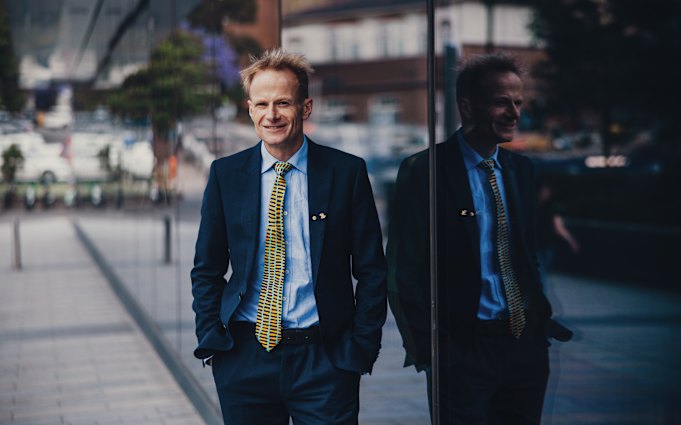
Despite the risks, Scolyer believed in the potential of this treatment to revolutionise brain cancer care. During his treatment, he and Long were named Australians of the Year for 2024. In his emotional acceptance speech, he shared his desire to live and continue contributing to his work. “I don’t want to die. I love my life, my family, my work,” he said.
His memoir, Brainstorm, provided insight into his journey and inspired many. Although the treatment did not save his life, it led to a clinical trial in the US earlier this year, exploring the viability of immunotherapy before surgery for brain cancer.
A peer-reviewed report on his treatment was published in Nature Medicine, one of more than 900 research papers he co-authored throughout his career.
Early Life and Career
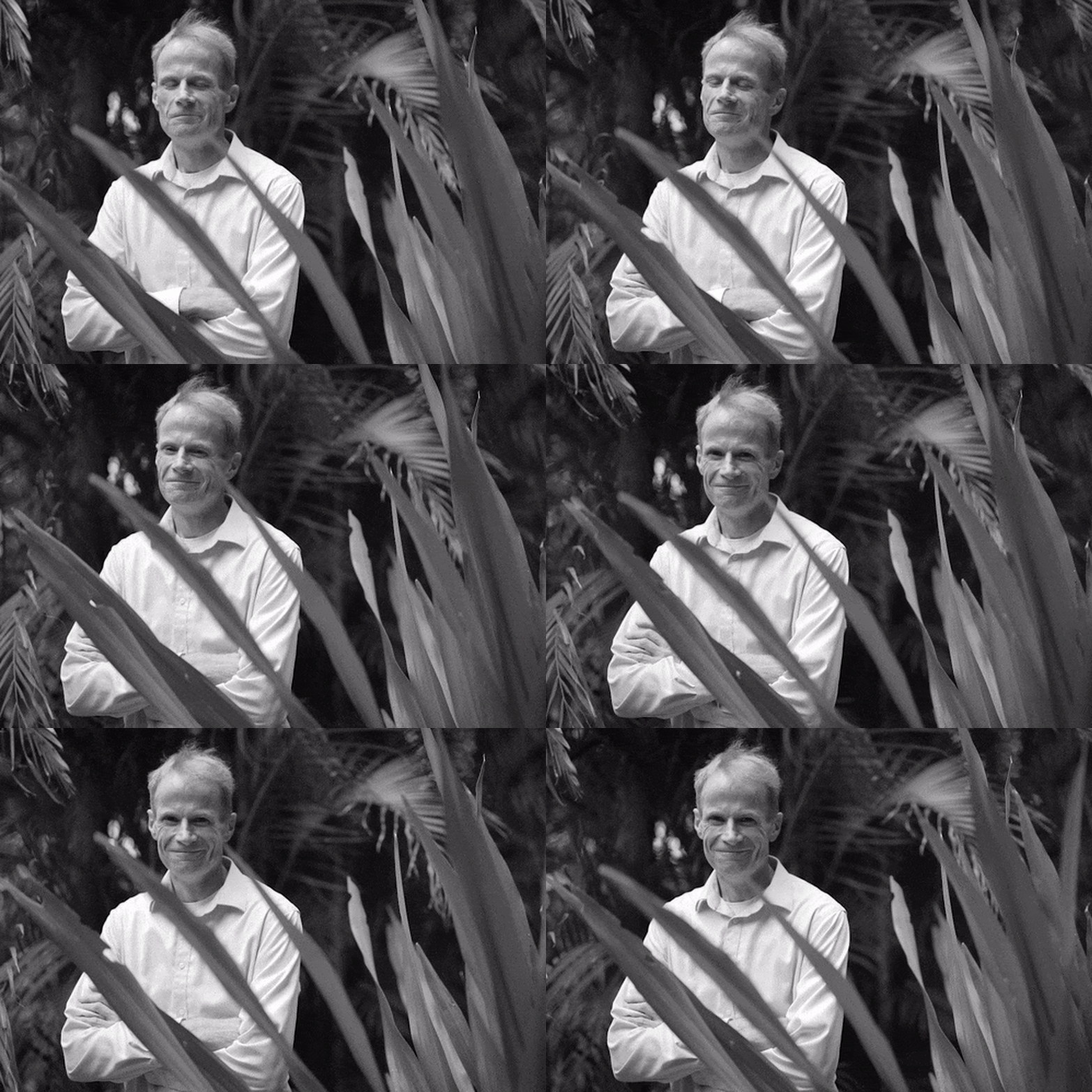
Born in Launceston, Tasmania, on December 16, 1966, Scolyer grew up with a love for the Tassie wilderness. His decision to become a doctor came after witnessing his mother’s struggles with health issues. He studied medicine at the University of Tasmania and later worked at Royal Hobart Hospital. Keen to explore the world, he worked in several hospitals in Australia and England before becoming a pathologist.
Under the mentorship of Professors Stan McCarthy and John Thompson, he built a career specialising in melanoma. As the Sydney Melanoma Unit evolved into the Melanoma Institute Australia, he became an internationally recognised pathologist and researcher.
Contributions to Cancer Research
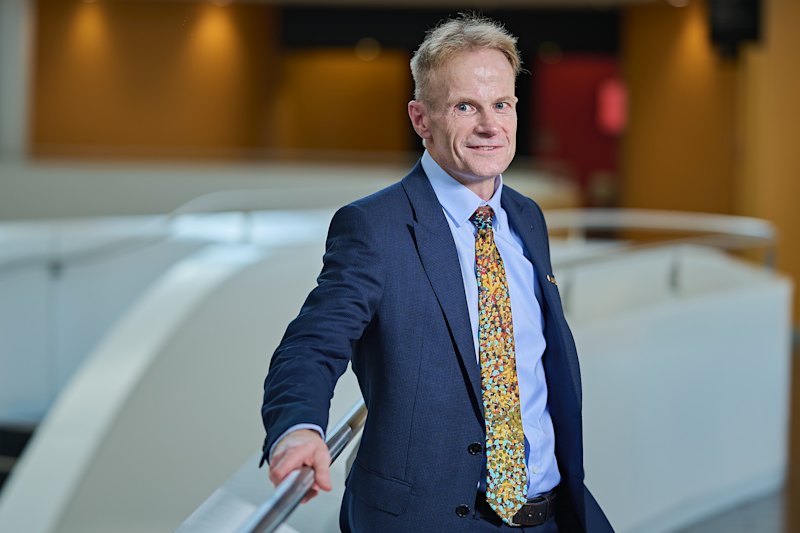
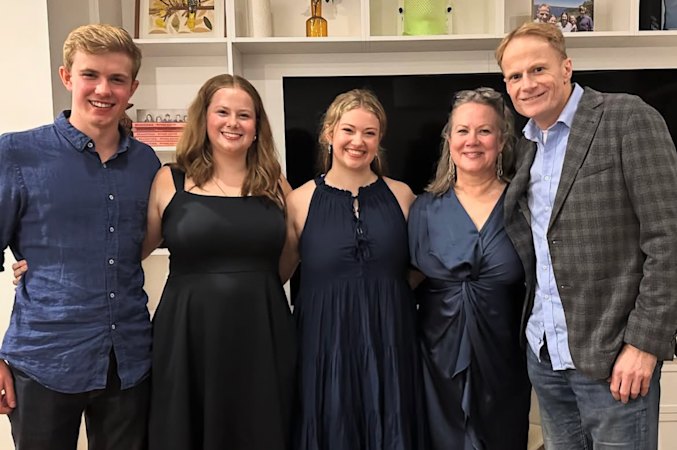
Scolyer and Dr Katie Nicoll met while both working as pathology registrars at RPA. They had three children: Emily, Matthew, and Lucy. Together, they contributed to the Australian Melanoma Genome Project, mapping the entire genome of 500 melanomas—a groundbreaking effort in understanding and treating the disease.
When he and Long became co-medical directors of the institute in 2017, they set a goal of reducing melanoma deaths in Australia. Their work improved the five-year survival rate for patients with advanced melanoma from 5% to 55%.
A Final Chapter of Courage
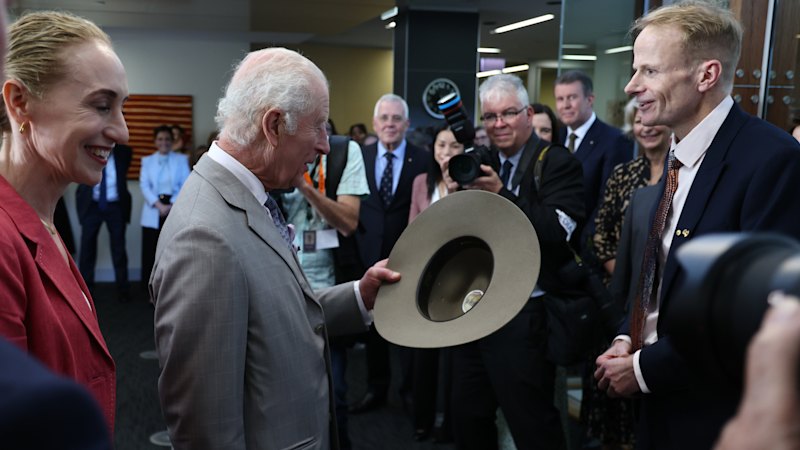
At the peak of his career, diagnosing over 2000 cases annually and delivering talks at over 400 conferences, Scolyer was faced with a glioblastoma diagnosis. Despite the grim prognosis, he remained determined to push boundaries and explore new treatments.
He embraced a year of immunotherapy and continued to advocate for scientific progress. His social media updates often began with a cheerful greeting, showing his resilience and positivity.
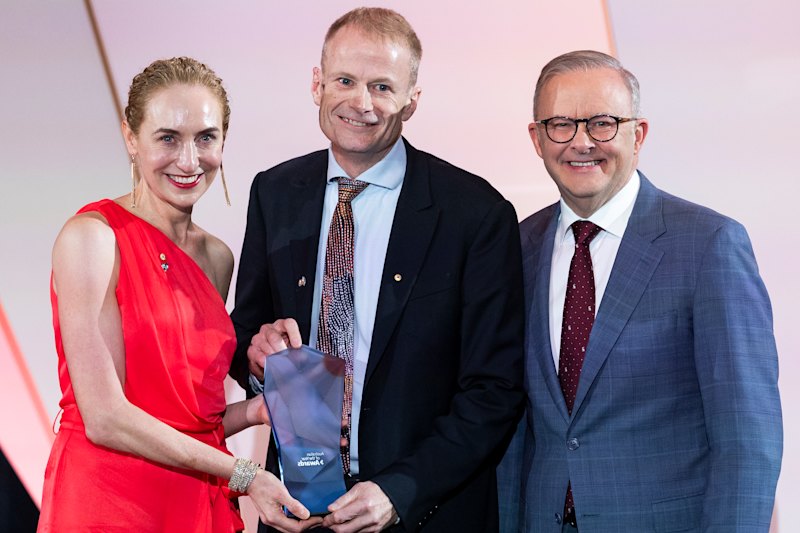
Away from work, Scolyer was an enthusiastic triathlete, participating in world championships. He also remained active in other ways, attending events and supporting cancer research initiatives.
Achieving Personal Goals
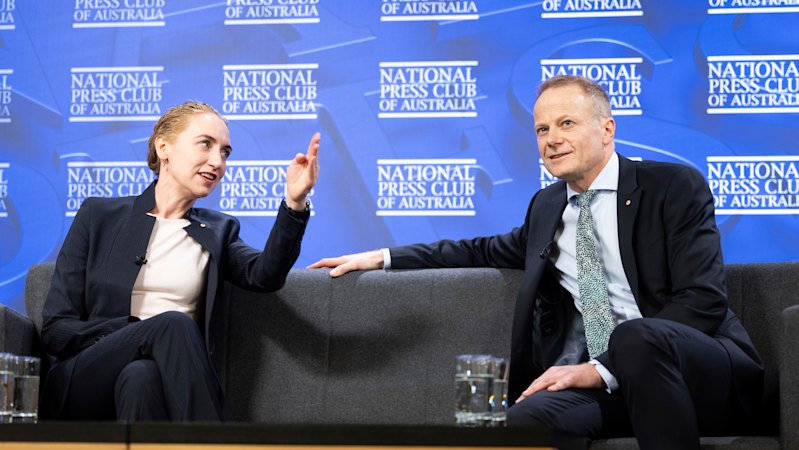
When his tumour returned, Scolyer set new goals: to live fully, enjoy time with family, and reach 250 Parkruns. On the morning of his 250th run in Sydney, he was celebrated by family, friends, and media. He completed the race, receiving warm applause along the way.
A few weeks later, he and his family participated in the 14-kilometre City2Surf event to raise funds for cancer research. Despite the challenges, he continued to inspire others.
Honours and Recognition
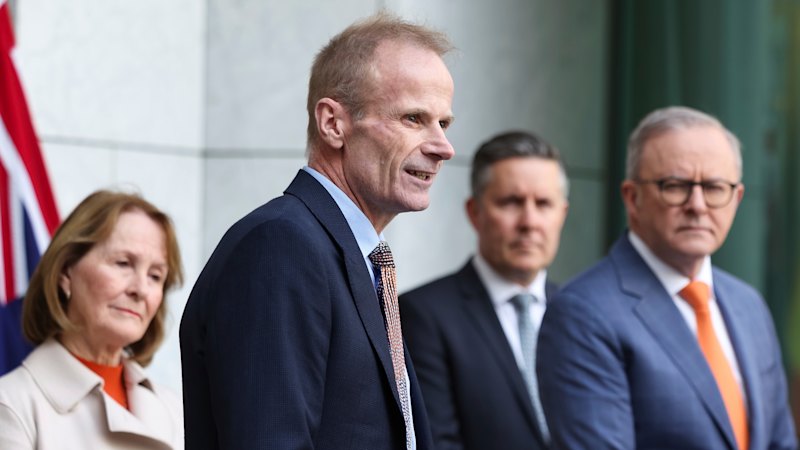
Scolyer received many honours late in his life, including a federal government commitment to establish the Richard Scolyer Chair in Brain Cancer Research at Chris O’Brien Lifehouse. Though he felt awkward about the recognition, he appreciated its impact on future research.
On April 28, he was awarded an honorary doctorate at the University of Sydney. Though his health had declined, he had filmed a speech beforehand, encouraging graduates to be brave and challenge the status quo.
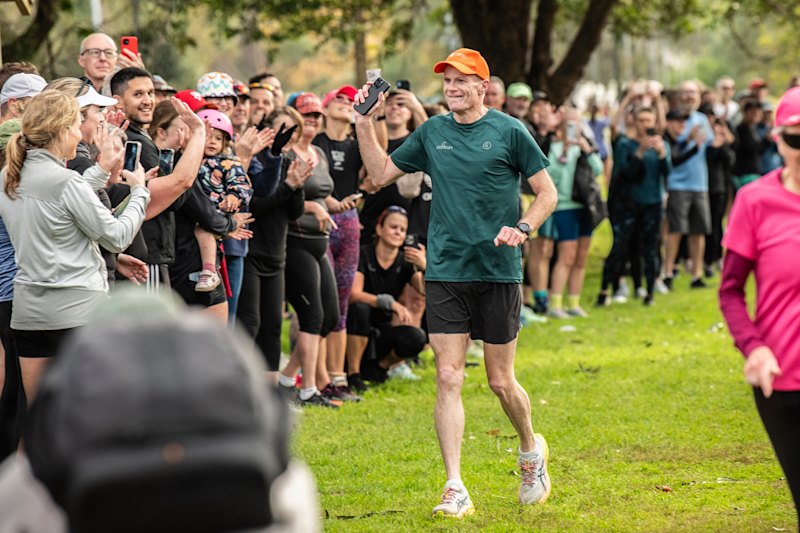
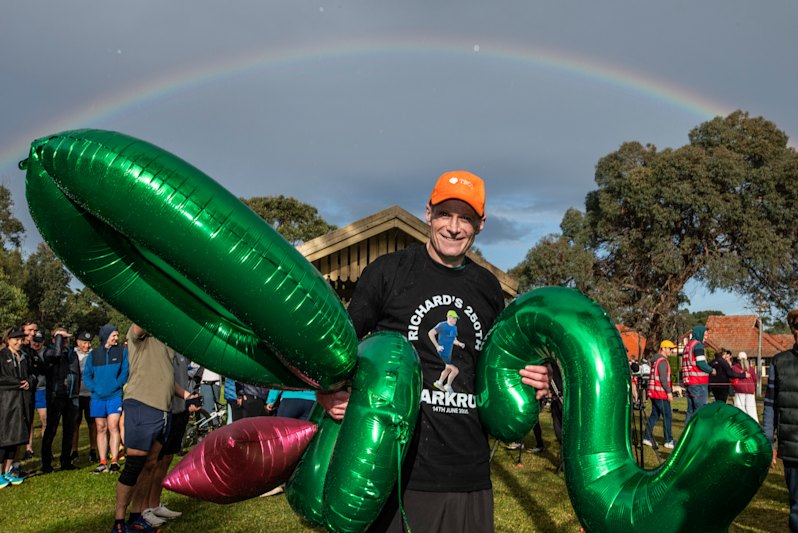
Scolyer’s legacy is one of bravery, boldness, and innovation. His final standing ovation at the university’s Great Hall was a fitting tribute to a man who changed the course of medical science and inspired countless lives.