Progress Toward a Greener Formula 1
Formula 1 has made significant strides in its journey toward becoming a net-zero carbon organization by 2030. Recent data from the sport’s annual review of the 2025 season shows that it is well on track to meet its environmental goals. The report highlights a 35% reduction in the sport’s carbon footprint compared to the 2018 baseline and a further 12% decrease since 2024.
Total carbon dioxide emissions have dropped from 228,793 tonnes in 2018 to 148,805 tonnes in 2025. These figures include emissions from F1’s own operations as well as those generated by the factories, operations, and travel of all the teams involved. This comprehensive approach ensures that every aspect of the sport contributes to the overall reduction in carbon output.
Key Factors Behind the Reduction
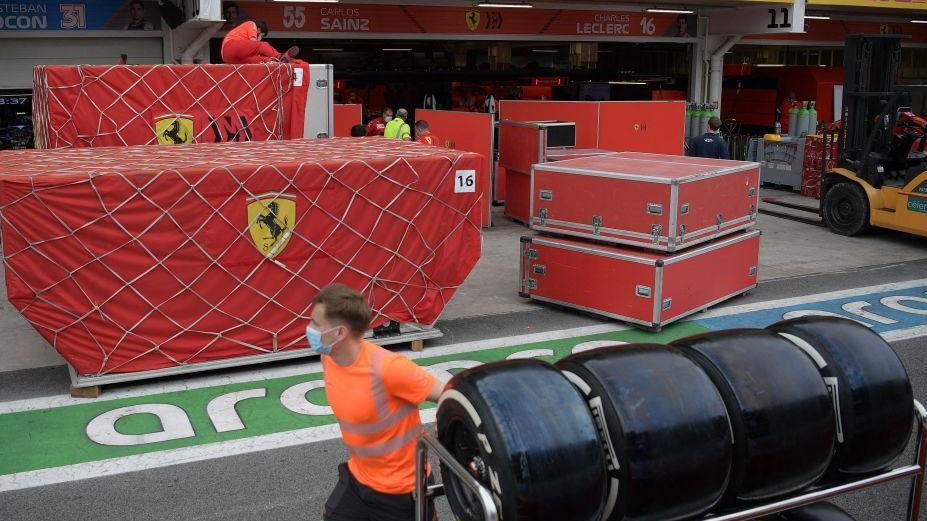
Several key factors have contributed to these impressive results. One major change has been the shift from air freight to sea freight, which significantly reduces the carbon footprint associated with transporting equipment and personnel. Additionally, Formula 1 has invested heavily in sustainable aviation fuel (SAF) and has made strategic revisions to its race calendar to optimize efficiency.
Emissions from factories and facilities have decreased by 64% compared to 2018, with a further 14% reduction year on year. Logistics emissions have also seen a notable decline, dropping by 21% in 2025 compared to the previous year and by 29% since 2018.
Strategic Calendar Adjustments
One of the most effective strategies F1 has implemented is grouping races geographically. This allows for more efficient movement of freight and personnel between events, reducing the need for multiple trips and thereby lowering emissions. For example, the decision to run the Miami and Canadian Grands Prix consecutively this year, rather than inserting European races in between, resulted in a nearly 3% reduction in logistics and travel emissions.
Other calendar adjustments have also played a role. Since 2024, the Japanese Grand Prix has been moved to the spring, allowing it to be grouped with the Australian and Chinese races. This change not only improves logistical efficiency but also aligns better with the seasonal patterns of other events.
Sustainable Fuels and Technological Advancements
In 2026, Formula 1 introduced a mandate requiring the use of advanced sustainable fuels in races. While emissions from the competition itself are relatively small compared to the overall footprint, these fuels offer an 80% reduction in greenhouse gas emissions when compared to traditional fossil fuels.
To ensure accurate and transparent tracking of emissions, F1 uses a third-party reporting platform. This system enhances the accuracy of calculations and provides visibility into data input, categorisation, and methodology. It serves as a critical tool in maintaining accountability and transparency in the sport’s sustainability efforts.
Leadership and Commitment
Stefano Domenicali, F1’s president and chief executive officer, praised the collective effort of the entire sport in reducing its environmental impact. He highlighted initiatives such as calendar rationalisation, increased investment in sustainable fuels, and the adoption of alternative energy solutions as key drivers of progress.
Ellen Jones, F1’s head of environmental, social, and governance, emphasized the importance of doubling down on investments in sustainable aviation fuel and making the first investment in sustainable maritime fuel. She also noted the collaboration with promoters, teams, and partners to drive further emissions reductions while accelerating the adoption of new technologies.
Net Zero by 2030
F1’s ‘Net Zero by 2030’ commitment sets a minimum target of a 50% reduction in absolute emissions compared to 2018. Any remaining unavoidable emissions will be offset through “credible programmes aligned with best practice guidance.” This ambitious goal reflects the sport’s dedication to sustainability without compromising its performance, ambition, or spectacle.